
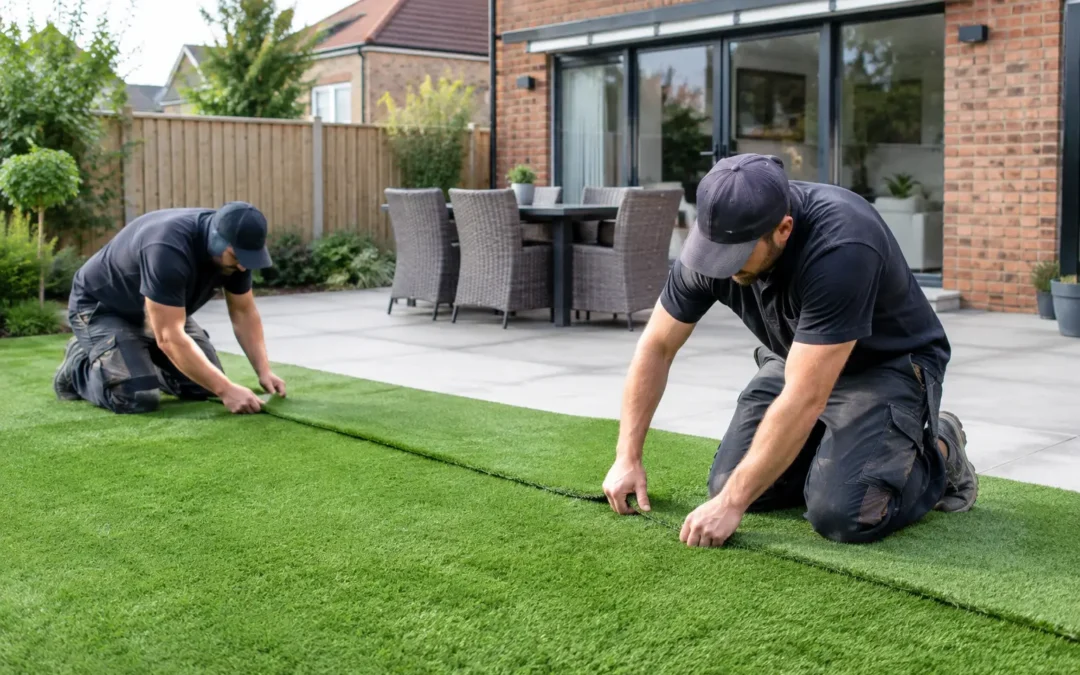
A new artificial lawn can look great on the day it is laid, but what happens underneath it matters far more. When comparing fake grass installers fitters, homeowners should be looking for more than someone who can cut grass to shape and secure the edges. The quality of the ground preparation, drainage and finishing work is what helps a lawn stay level, drain properly and remain enjoyable through wet Midlands weather, children playing and daily dog use.
For many households, the reason for changing to artificial grass is simple: less mowing, fewer weeds and no muddy lawn being carried through the house. A professional fitting service should make that change straightforward, while being honest about the work your particular garden needs.
Why professional fake grass installers and fitters matter
Artificial grass is only as good as the base beneath it. Existing gardens are rarely ready for a new lawn without some preparation. They may have uneven ground, compacted soil, old turf, poor drainage, tree roots or slopes that need careful consideration before work starts.
A proper installer assesses these details before providing a final recommendation. This is why an in-home survey is useful. It gives you the chance to explain how the garden is used, see grass samples in natural light and discuss practical concerns such as pets, shaded areas, access through the property and where rainwater currently collects.
There is no single installation method that suits every garden. A small, well-drained rear lawn may need less excavation than a garden with heavy clay soil and recurring puddles. Likewise, a decorative area beside a patio has different requirements from a lawn used every day by active children and two large dogs. Good advice should reflect those differences rather than treating every job the same.
The work beneath an artificial lawn
Professional artificial grass fitting is largely groundwork. The visible lawn is the final layer of a process that starts with creating a stable, free-draining foundation.
Removing turf and setting the right levels
Where needed, the existing grass, soil and waste are excavated and removed. This creates room for the new base and allows the installer to establish suitable levels around patios, paths, drainage points and garden borders. The aim is a neat finish that sits correctly alongside surrounding surfaces, rather than an artificial lawn that feels too high at the edges.
Levels also affect drainage. Water needs a route away from the surface and must not be trapped beneath the grass. Gardens in Nottinghamshire and Derbyshire can have very different ground conditions from one street to the next, so this part of the work should be based on the site itself, not guesswork.
Building a stable, draining base
Once the area is prepared, a Type 1 roadstone sub-base is laid and compacted properly. This gives the lawn its support and helps prevent the soft spots, dips and movement that can develop when the ground underneath has not been prepared well.
A finishing layer is then used to create a smooth surface ready for the grass. Weed membrane is also fitted where appropriate to help limit weed growth from below. It does not mean that no weed will ever appear around a garden – seeds can still land on the surface – but it is an important part of a well-prepared installation.
The grass is then measured, cut and positioned carefully. Seams, edges and joins deserve particular attention, especially around curved borders, paving, trees and awkward corners. A tidy fit is what makes the lawn look like it belongs in the garden rather than simply being laid over it.
Choosing the right artificial grass for your household
The softest or thickest-looking grass is not automatically the best choice. Pile height, density, backing and intended use all matter. Seeing samples at home is helpful because colour and texture can look different outdoors than they do in a photograph or showroom.
For a family garden, the focus is often on a natural-looking, comfortable lawn that can handle regular foot traffic. For an ornamental area with lighter use, a more luxurious finish may suit the space. If the lawn is likely to be used for garden furniture, football, children’s games and general everyday life, durability should be part of the conversation.
It is also worth being realistic about maintenance. Artificial grass removes the need for mowing and most of the usual lawn care, but it still benefits from occasional brushing, clearing leaves and rinsing where needed. Looking after it little and often helps keep the pile looking its best.
Artificial grass fitting for dog owners
Dog owners often contact installers after becoming tired of muddy paws, worn patches of turf and a garden that is difficult to keep clean in winter. Artificial grass can make a real difference, but dogs are a reason to pay closer attention to the specification and the installation below it.
Drainage is especially important. Urine needs to pass through the grass and base rather than linger on the surface. The right grass choice, suitable groundwork and a properly prepared sub-base all work together here. The number, size and habits of the dogs using the garden should be discussed at the survey, as a lawn used by one small dog will have different demands from an area used by several large dogs.
Solid waste should still be removed promptly, and regular rinsing can help keep the area fresh. In some cases, a suitable artificial grass cleaner may be useful. No surface is completely odour-free or maintenance-free, particularly with frequent pet use, but a well-fitted lawn is generally much easier to manage than a muddy natural lawn.
Questions to ask before booking an installation
A quotation should make clear what is included, particularly when excavation and waste removal are involved. Ask how the existing ground will be prepared, what base materials will be used, how drainage concerns will be handled and whether edging or joining work is included.
It is sensible to ask to see grass samples before making a choice. This lets you compare pile heights and colours against your fencing, paving and planting, while also feeling how each product suits your household. A reliable installer should be happy to explain the differences in plain English instead of directing everyone towards the most expensive option.
You should also mention anything that could affect access or preparation. Narrow side passages, steps, shared access, established planting, sheds, uneven ground and drainage covers can all influence the work involved. Raising these points early usually makes the quotation clearer and avoids surprises once the job begins.
A straightforward route from survey to fitting
At Fabgrass, the process begins with a free consultation and home survey. This is the time to measure the area accurately, inspect the ground, discuss the way your garden is used and show suitable samples. You can then make a decision with a clear understanding of the proposed work, rather than trying to choose a lawn from a picture alone.
Once the specification is agreed, the installation can be planned around the preparation your garden needs. The goal is not simply to cover a problem lawn. It is to provide a clean, level surface that is practical for everyday life and looks right with the rest of your garden.
If you are considering artificial grass, start by looking at the ground as well as the product. A friendly site visit, honest advice and a chance to handle the samples will usually tell you much more than a low headline price ever can.

