
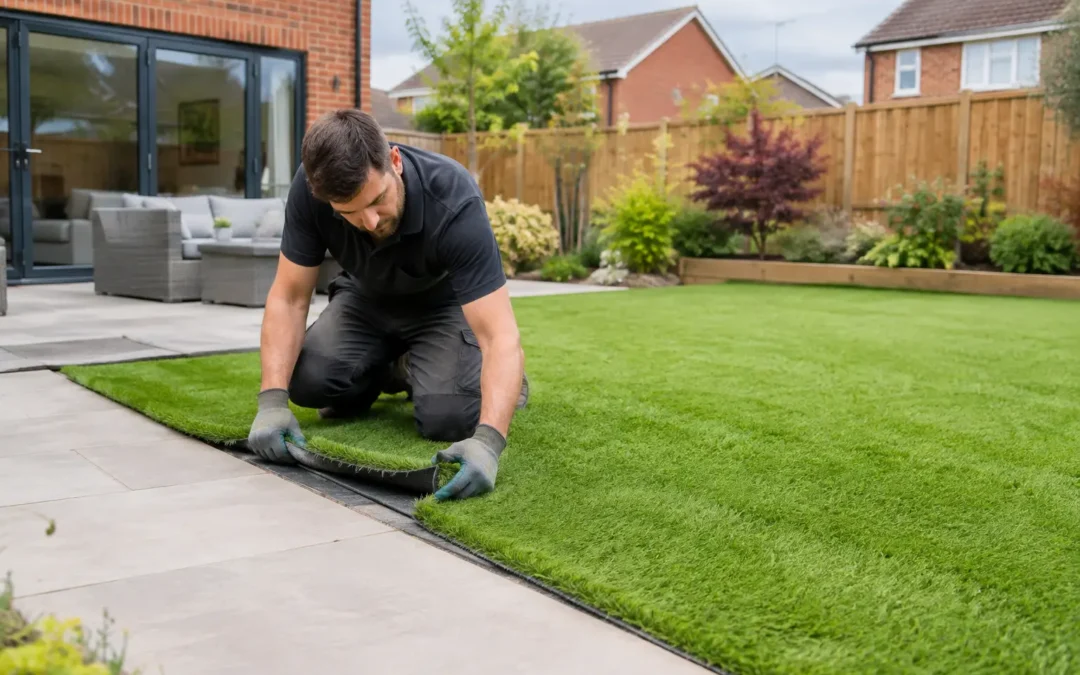
A lawn can look fine from the kitchen window, yet be a different story once children, dogs and a few wet Derbyshire days have had their say. Muddy paws, worn patches, moss in shaded corners and standing water are common reasons homeowners start searching for fake grass fitters ilkeston derbyshire. The right artificial lawn can make the garden far easier to use, but the result depends on far more than choosing a grass that looks good in a sample.
A professional installation should start with the garden you actually have: its levels, drainage, access, shade and how it will be used. That is how you end up with a neat, practical surface that suits everyday family life, rather than a lawn that looks good briefly and causes problems underneath.
What to expect from fake grass fitters in Ilkeston
The first useful step is a proper home visit. Every garden is different, and photos alone rarely show whether there are low spots, poor drainage, awkward edges or old paving that affects the finished level. Measuring on site also means the grass can be planned to reduce unnecessary joins and give a cleaner finish around borders, paths and patios.
At Fabgrass, the consultation is also the time to compare physical samples. Pile height, colour, softness and density all affect the appearance and feel of artificial grass. A deep, luxurious-looking grass can be a lovely choice for a lightly used garden, while a shorter, denser product is often more sensible where children play regularly or dogs charge across the same route every day.
There is no single best artificial grass for every home. The most suitable option depends on what matters most to you: a soft lawn for the family, a hard-wearing surface for pets, a tidy front garden, or a lower-maintenance answer to a lawn that never grows well.
Preparation is where a lasting lawn starts
Good artificial grass fitting is largely ground preparation. The grass is the visible part, but the foundation beneath it determines whether the lawn stays level and allows rainwater to move away as it should.
Where required, the existing turf and unsuitable material are excavated and removed. A weed membrane helps reduce weed growth from below, before a properly compacted Type 1 roadstone sub-base is installed. This creates a stable foundation. Suitable finishing layers are then prepared and levelled before the artificial grass is cut, fitted and secured.
This work takes time for a reason. Simply placing artificial grass over uneven soil or a tired natural lawn may initially appear to save effort, but soft areas, bumps, poor drainage and visible undulations can soon spoil the result. The depth of excavation and the build-up required will vary from garden to garden, particularly where finished levels need to meet a patio, step or existing edging neatly.
Drainage deserves particular attention in Ilkeston gardens where heavy rain can expose weak spots quickly. Artificial grass is permeable, but water still needs somewhere sensible to go beneath it. An experienced fitter will assess the existing ground and discuss any concerns before work begins, rather than assuming every garden needs exactly the same base.
Choosing grass for dogs, children and daily use
Many homeowners want artificial grass because the garden has become a cycle of muddy feet, yellowed turf and repeated re-seeding. For dog owners, a correctly installed lawn can make clearing solid waste simpler and reduce the mud brought indoors. However, it needs to be chosen and fitted with pets in mind.
For one small dog using a reasonably sized garden, many quality artificial grass options can work well. For larger dogs, several dogs, or a garden that gets intensive daily use, the choice of product and preparation becomes more important. A durable grass with effective drainage is usually a more practical starting point than selecting purely by softness or pile height.
Urine needs to drain through the grass and base rather than sitting near the surface. Regular rinsing with water, particularly during dry spells, helps keep the area fresh. Pet-safe artificial grass cleaning products can also be useful when used as directed, but no surface is completely odour-free without some routine care. If there is a favourite toileting area or a narrow side garden with limited airflow, mention it during the survey so it can be considered honestly.
Families may have different priorities. A lawn used for football, paddling pools and regular play needs a stable, even base and a grass designed to stand up to footfall. Artificial grass does not remove every garden job – leaves, soil and debris should still be brushed or cleared – but it removes the regular mowing, weeding and muddy bare patches that frustrate many busy households.
The details that make the finish look right
A tidy artificial lawn is not just a rectangle of green material. The edges, joins and transitions matter. Grass should sit at an appropriate level against patios and paving, with cuts made carefully around flower beds, sheds, drains and curved borders.
This is also why it helps to think about the wider garden before fitting begins. If a patio is cracked, poorly levelled or due to be replaced soon, it may make sense to plan the work together rather than fit grass around something that will later be removed. Fabgrass can also provide porcelain paving and patio work where it genuinely complements the project, although artificial grass installation remains the main focus.
A good fitter will explain what is included in the quote. That should cover the preparation agreed during the survey, waste removal where needed, materials, fitting and any edging or finishing work discussed. Price naturally varies with the size and condition of the garden, access for removing spoil, drainage requirements and the grass selected. A clear survey and written quotation avoid guesswork.
Questions worth asking before booking
You do not need to become an artificial grass expert to choose an installer, but a few practical questions can tell you a lot about the approach. Ask how the existing lawn will be removed, what base will be installed and compacted, and how drainage will be assessed. It is also sensible to ask to see grass samples in person, especially if dogs or young children will use the area.
Ask who will carry out the work and whether the finished levels have been considered around doors, patios and drainage points. If access is limited through the house, down a side passage or across a shared route, discuss it at the start. These details are normal parts of planning a domestic installation, and they are much easier to deal with before the work is scheduled.
Be cautious about deciding only from a small online image. Artificial grass can look very different in shade and daylight, and the feel underfoot is hard to judge on a screen. Seeing samples in your own garden helps you choose a colour and pile that works with your paving, fencing and planting.
Looking after your new lawn
Artificial grass is low maintenance, not no maintenance. A quick brush every so often helps lift the fibres and remove leaves, while a hose can wash away dust and pollen. In autumn, it is best to clear fallen leaves before they break down into the surface. Avoid placing hot items such as barbecues directly on the grass, and take care with reflective surfaces that may concentrate strong sunlight onto one patch.
For pet gardens, pick up solid waste promptly and rinse areas used regularly. If the lawn starts to look flattened in a busy route, brushing against the direction of the fibres can improve its appearance. These small jobs are usually far less demanding than mowing, feeding, repairing and re-turfing a natural lawn.
A well-planned artificial lawn should feel like part of the garden, not a cover-up for problems that have been left underneath. If you are considering fake grass fitters in Ilkeston or nearby, arrange a free home visit with Fabgrass, see the samples for yourself and talk through how your garden is used. Honest advice at the survey stage gives you the best chance of choosing a lawn you will enjoy using when the weather turns, the dog comes in wet, or the family simply wants to get outside.

